Technology has become a major part of everyday life. Phones, tablets, computers, and gaming systems provide entertainment and convenience, but many parents find themselves concerned about how much time their children spend in front of screens. Finding productive activities that can compete with technology is not always easy.
Music lessons provide an opportunity for children to engage their minds in a completely different way. Learning an instrument requires focus, patience, and practice. Unlike passive screen time, music encourages active participation and helps students develop skills that can benefit them for years to come.
One of the biggest advantages of music education is the confidence it can build. As students learn new songs and overcome challenges, they begin to see the results of their effort. Every improvement, whether large or small, reinforces the value of persistence and dedication.
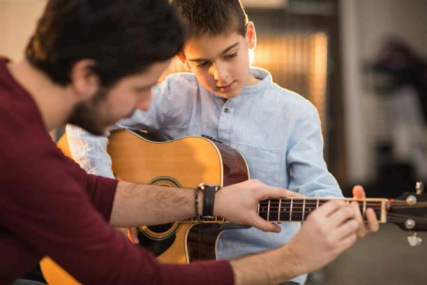
Music lessons also help develop discipline and problem-solving abilities. Students learn how to set goals, work through difficult sections, and continue improving even when progress feels slow. These habits often carry over into school, extracurricular activities, and future careers.
Beyond the educational benefits, music can also become a lifelong source of enjoyment and self-expression. It provides a creative outlet that allows students to explore their interests while building meaningful skills. Many children discover a passion that stays with them well into adulthood.
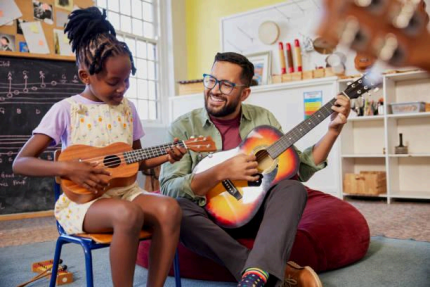
At Performing Arts Music, students are given the opportunity to grow both musically and personally. In a world where screens compete for attention every day, music lessons offer a rewarding alternative that helps children develop confidence, creativity, and a love of learning.