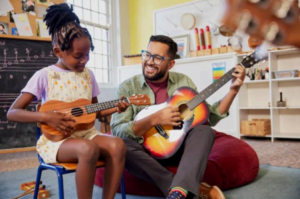
Many children begin music lessons with excitement and enthusiasm. Learning a new instrument feels fun, parents are eager to support their progress, and students often look forward to developing a new skill. However, it is surprisingly common for young musicians to quit after only a short period of time.
One of the biggest reasons children stop taking lessons is frustration. Learning music requires patience, practice, and persistence. Progress often happens gradually, and students may become discouraged when they cannot immediately play songs they enjoy or master new techniques as quickly as they expected.
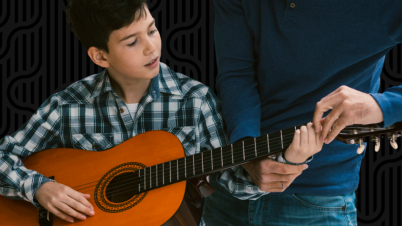
Another challenge is maintaining engagement. When lessons feel repetitive or disconnected from a student’s interests, motivation can fade. Children thrive when they feel a sense of accomplishment and excitement about what they are learning. Without that connection, practicing can start to feel like a chore rather than an enjoyable activity.
Confidence also plays a major role. Many students worry about making mistakes or comparing themselves to others. A single difficult lesson or performance can sometimes cause a child to question their abilities. Without encouragement and proper guidance, those feelings can grow and eventually lead to quitting.
The right learning environment can make all the difference. Personalized instruction helps students progress at their own pace while building confidence along the way. When teachers understand each student’s goals, interests, and learning style, lessons become more engaging and rewarding.
Music education also offers benefits that extend far beyond learning an instrument. Students develop discipline, problem-solving skills, patience, creativity, and self-confidence. These skills often carry into academics, extracurricular activities, and future careers.
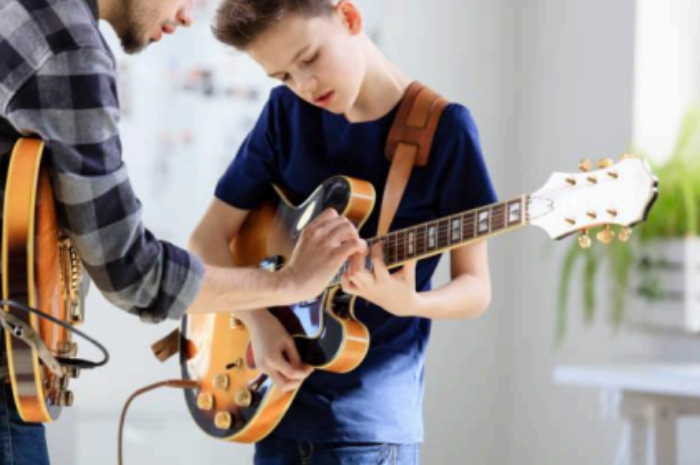
Success in music is rarely about natural talent alone. More often, it comes from consistent support, positive instruction, and an environment that encourages growth through challenges. When students feel motivated and supported, they are much more likely to continue their musical journey.
Performing Arts Music helps students build both musical skills and confidence through personalized instruction that keeps learning enjoyable, engaging, and rewarding at every stage.