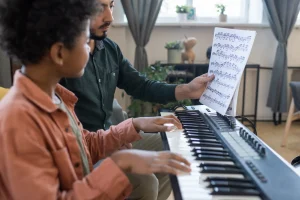
Most people don’t realize when music starts becoming part of who they are. It usually begins small. A few lessons after school. A keyboard sitting in the corner of the house. A student practicing the same song over and over while a parent listens from another room. At first, it feels like just another activity on the calendar. Over time, though, something changes.
Music slowly becomes part of daily life. Students begin recognizing songs on the radio differently. They start hearing rhythms, melodies, and techniques they never noticed before. Practice turns into routine, and routines eventually become habits. Before long, music is no longer just something they do once a week. It becomes part of how they express themselves.
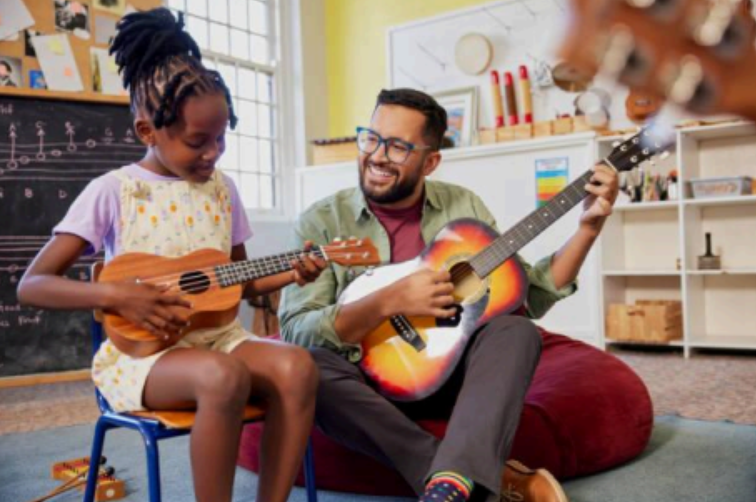
For many students, performing arts also creates confidence in areas far beyond music. Learning how to perform in front of people teaches patience,
discipline, and composure under pressure. Even students who are naturally quiet often become more comfortable speaking, presenting, and expressing themselves after spending time in music programs.
The friendships built through music are also different from many other activities. Students work together during performances, encourage each other during difficult pieces, and share the experience of improving over time. Those moments often become memories families and students hold onto for years.
Music has a way of staying with people long after lessons end. Some students continue performing into adulthood, while others simply carry the confidence and creativity they gained into other parts of life. Either way, the impact lasts far beyond the classroom.
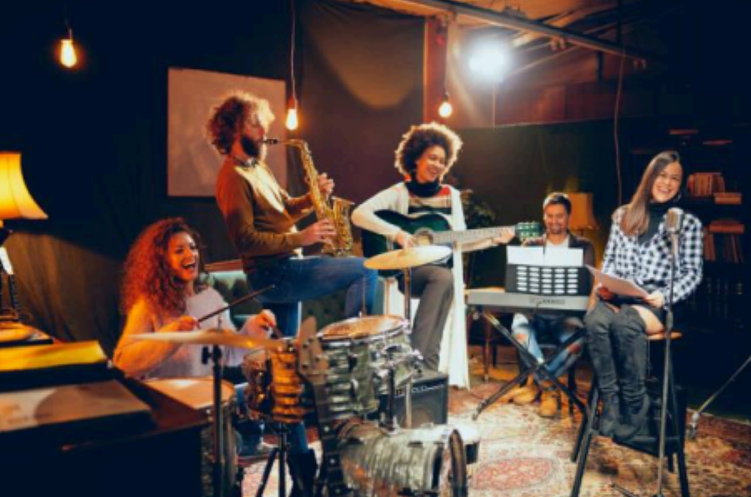
Performing Arts Music helps students build more than musical ability. Through lessons, performances, and creative growth, students gain confidence, discipline, and a lifelong connection to music that can shape who they become both on and off the stage.